
Introduction to Organic Waste Disposal
Managing organic and green waste has become an important part of maintaining cleaner outdoor spaces and supporting environmental responsibility. Organic waste disposal generally focuses on materials that come from natural sources and can either be recycled back into the soil or processed through professional waste systems. Two of the most common approaches are composting and green waste skip bins, each offering distinct advantages and limitations.
Many property owners explore disposal options such as adelaide skip bin hire to handle garden and organic waste efficiently while comparing it with composting as a more hands-on alternative.
What Counts as Organic and Green Waste?
Organic and green waste includes biodegradable materials derived from plants and natural sources. This category typically covers grass clippings, leaves, branches, weeds, and untreated wood. Some food scraps and biodegradable garden materials may also fall under this classification depending on disposal method.
Understanding what qualifies as organic waste is essential because incorrect handling can reduce recycling efficiency or lead to contamination. Composting and skip bins both rely on proper sorting to ensure sustainable waste processing.
Why Proper Green Waste Management Matters
Proper management of green waste helps reduce landfill pressure and supports environmentally responsible practices. When organic waste is disposed of correctly, it can be reused or recycled rather than contributing to unnecessary waste buildup. Effective waste management also helps maintain cleaner outdoor areas and supports long-term sustainability goals.
What Is Composting?
Composting is a natural process that transforms organic materials into nutrient-rich matter through biological decomposition. It focuses on breaking down biodegradable waste into usable compost that can support soil quality.
How Composting Works
Composting works by combining organic materials with oxygen and moisture to encourage microbial activity. Microorganisms break down waste into simpler organic matter over time. This process requires balancing carbon-rich and nitrogen-rich materials while maintaining appropriate airflow and moisture levels.
Types of Composting (Home, Community, Commercial)
There are several composting methods available depending on scale and resources. Home composting typically involves small compost bins or piles. Community composting supports shared waste processing for multiple users. Commercial composting operates at a larger scale and processes high volumes of organic material using controlled systems.
Each method varies in complexity, space requirements, and processing speed.
Materials You Can and Can’t Compost
Compostable materials often include plant-based waste, garden trimmings, and biodegradable food scraps. Items that are treated, contaminated, or non-organic are generally unsuitable for composting. Proper material selection is essential to maintain compost quality and prevent issues such as odors or pests.
Benefits of Composting
Environmental Benefits
Composting helps divert organic waste away from landfills and reduces methane production associated with decomposing waste in landfill environments. It supports a circular approach by returning organic matter back to the soil in a reusable form.
Soil Health and Garden Improvement
One of the primary benefits of composting is improved soil structure and nutrient content. Compost enhances soil aeration, water retention, and microbial activity. This contributes to healthier plant growth and better soil performance over time.
Cost Savings for Homeowners
Composting can reduce waste disposal costs by minimizing the need for external waste services. Over time, producing compost on site can offset expenses related to soil conditioners and fertilizers.
Challenges of Composting
Time and Maintenance Requirements
Composting requires consistent attention to maintain balance and efficiency. Monitoring moisture levels, turning compost, and managing materials can be time-consuming. The process also takes time before usable compost is produced.
Space and Odour Concerns
Adequate space is required to manage composting systems effectively. Improper maintenance can lead to unpleasant odors or pest attraction. These concerns may limit composting suitability for some properties.
Not Suitable for All Waste Types
Not all organic waste can be composted safely. Larger volumes of garden waste or certain materials may exceed composting capacity, making alternative disposal methods necessary.
What Are Green Waste Skip Bins?
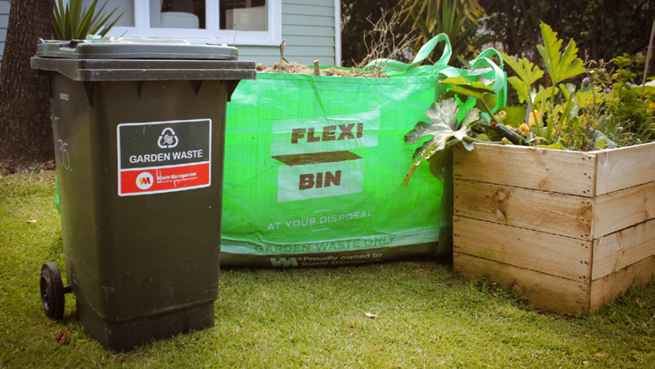
Green waste skip bins are designated containers designed for collecting and transporting organic and garden waste to professional processing facilities. They provide a structured disposal option for handling larger quantities of green waste.
In the upper middle part of waste planning considerations, many users research skip bins adelaide prices to evaluate cost-effective disposal solutions.
How Green Waste Skip Bins Work
Skip bins are delivered to a specified location and filled with approved green waste materials. Once full, the bin is collected and transported for sorting and recycling. This system removes the need for on-site processing.
Common Uses in Gardening and Landscaping
Green waste skip bins are commonly used for garden cleanups, landscaping projects, and seasonal maintenance. They are designed to accommodate bulky and heavy organic materials that are difficult to manage through composting alone.
Accepted and Prohibited Materials
Accepted materials typically include grass clippings, leaves, branches, and plant debris. Prohibited items often include treated wood, soil, and non-organic waste. Adhering to guidelines ensures proper recycling and avoids contamination.
Benefits of Green Waste Skip Bins
Convenience for Large Volumes of Waste
Skip bins offer a convenient solution for managing large quantities of green waste. They eliminate the need for sorting and processing on site, making disposal faster and more efficient.
Faster Disposal for Garden Maintenance
Using skip bins allows immediate removal of waste, helping maintain clean and organized outdoor spaces. This is particularly beneficial during intensive garden maintenance activities.
Professional Handling and Recycling
Green waste collected in skip bins is processed by professional facilities that specialize in recycling organic materials. This ensures compliance with waste management standards and supports environmentally responsible disposal.
Limitations of Green Waste Skip Bins
Ongoing Costs
Hiring skip bins involves service fees that vary based on bin size and duration. In the middle part of budget planning, reviewing adelaide skip bin hire prices helps determine affordability and value.
Environmental Impact Compared to Composting
While skip bins support recycling, they involve transportation and centralized processing. Composting, by contrast, processes waste locally. The environmental impact varies depending on usage and waste volume.
Dependency on External Services
Skip bin users rely on service providers for delivery and collection. Availability and scheduling can influence convenience compared to self-managed composting.
Composting vs. Green Waste Skip Bins: A Comparison
Environmental Impact
Composting focuses on localized waste recycling, while skip bins support large-scale recycling systems. Both methods contribute positively when used correctly.
Cost and Convenience
Composting requires time and effort but offers long-term savings. Skip bins provide immediate convenience with predictable costs. Choosing between them depends on waste volume and available resources.
Best Option for Homeowners vs. Gardeners
Smaller waste quantities may suit composting, while larger garden waste loads often benefit from skip bin services. Each option aligns with different waste management needs.
Which Option Is Best for You?
When Composting Makes More Sense
Composting is suitable for those with manageable waste volumes, sufficient space, and time for maintenance. It supports sustainable soil improvement and waste reduction.
When Green Waste Skip Bins Are the Better Choice
Skip bins are ideal for handling large or bulky green waste efficiently. For tailored advice or service arrangements, users can reach out through the contact option to explore suitable solutions.
FAQs
1. Can composting fully replace green waste skip bins?
Composting can handle smaller volumes of organic waste, but skip bins are better for large quantities and bulky materials.
2. Are green waste skip bins environmentally friendly?
Yes, when used correctly, they support professional recycling and reduce landfill waste.
3. Is composting difficult to maintain?
Composting requires regular attention but becomes easier with proper balance and routine management.
4. What happens to waste collected in green waste skip bins?
Collected waste is transported to recycling facilities where it is processed into reusable organic material.
5. How do I choose between composting and skip bins?
The decision depends on waste volume, available space, time commitment, and budget considerations.
Conclusion
Both composting and green waste skip bins play valuable roles in organic waste management. Composting offers a sustainable, low-cost solution for smaller waste quantities and soil improvement, while green waste skip bins provide efficient and convenient disposal for larger volumes. By understanding the benefits and limitations of each method, individuals can choose the approach that best aligns with their waste management needs and environmental goals.